
The Cultural and Sociological Roots of Black Metal and Death Metal in Scandinavia: An Analytical Overview
Explore why black metal and death metal thrived in Norway, Sweden, and Finland, examining history, culture, geography, and psychology behind Scandinavia’s extreme metal scene.
Black metal and death metal are two of the most extreme subgenres of heavy music. Yet, interestingly, their roots and evolution are far from uniform across the world. These intense genres found a special home in Norway, Sweden, and Finland, where they flourished with a depth and fervor rarely seen elsewhere. This article explores the historical, geographical, sociological, and psychological factors that allowed Scandinavia to become the epicenter of these radical musical movements. Rather than just emerging here, these genres thrived, feeding off cultural, environmental, and societal influences that made them uniquely Scandinavian.
Extreme metal, especially black and death metal, often revolves around themes of existential questioning, rebellion against authority, pagan revival, and a sense of cultural isolation. While extreme metal scenes exist globally, Scandinavia has contributed disproportionately to the genre. Norway gave the world the Second Wave of Black Metal, Sweden created melodic death metal, and Finland became renowned for having one of the densest concentrations of metal bands per capita. These developments are not coincidental. Geography, history, religion, psychology, and social structure all played a role in shaping the scene.
Historical Roots of Scandinavian Extreme Metal
Early Musical Evolution
The roots of Scandinavian metal trace back to the early 1980s. Sweden’s Bathory is widely credited with creating the first Scandinavian black metal sound, blending raw, primitive production with piercing vocals and themes drawn from Norse mythology and anti-Christian sentiment. At the same time, the broader European metal movement was fragmenting into darker, more extreme subgenres, setting the stage for a local evolution.
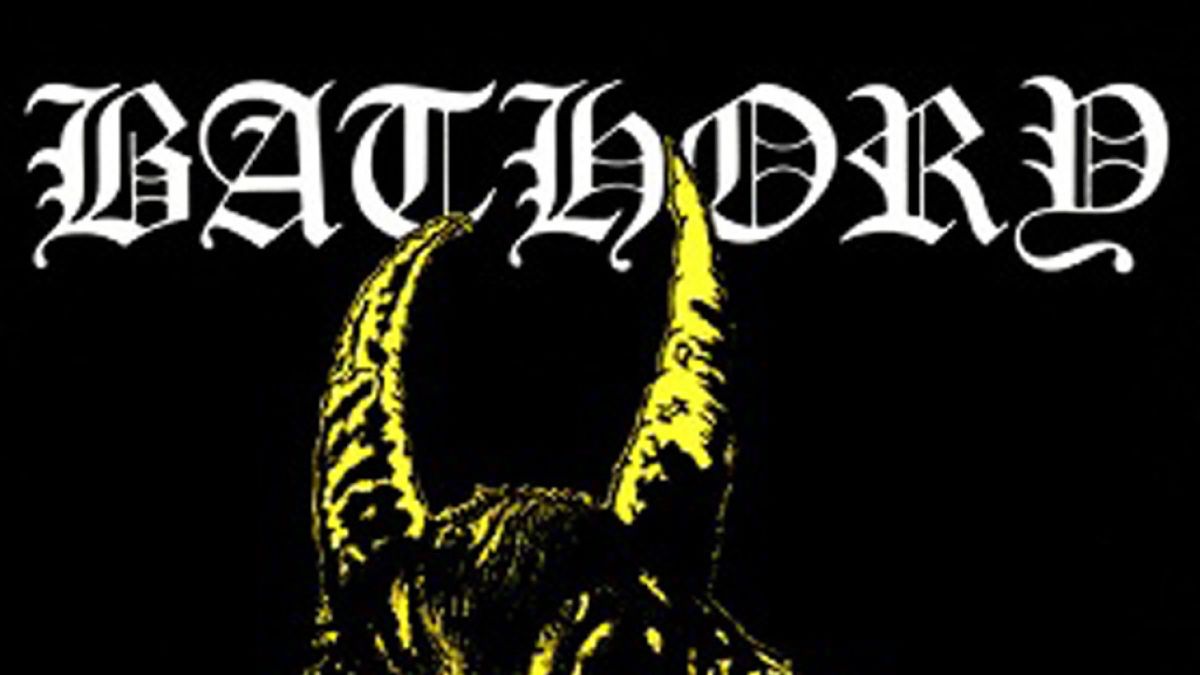 Bathory’s self-titled debut, often considered the origin of Scandinavian black metal.
Norway and the Second Wave
The early 1990s saw the rise of Norway’s black metal scene, one of the most widely documented and infamous extreme music movements in history. At the heart of this movement was a small record store in Oslo called Helvete, run by Øystein “Euronymous” Aarseth of the band Mayhem. The store became a cultural hub where bands like Burzum, Emperor, Darkthrone, and Mayhem converged. This space was not just a shop—it was an incubator for a radical aesthetic and ideology that would define black metal worldwide.
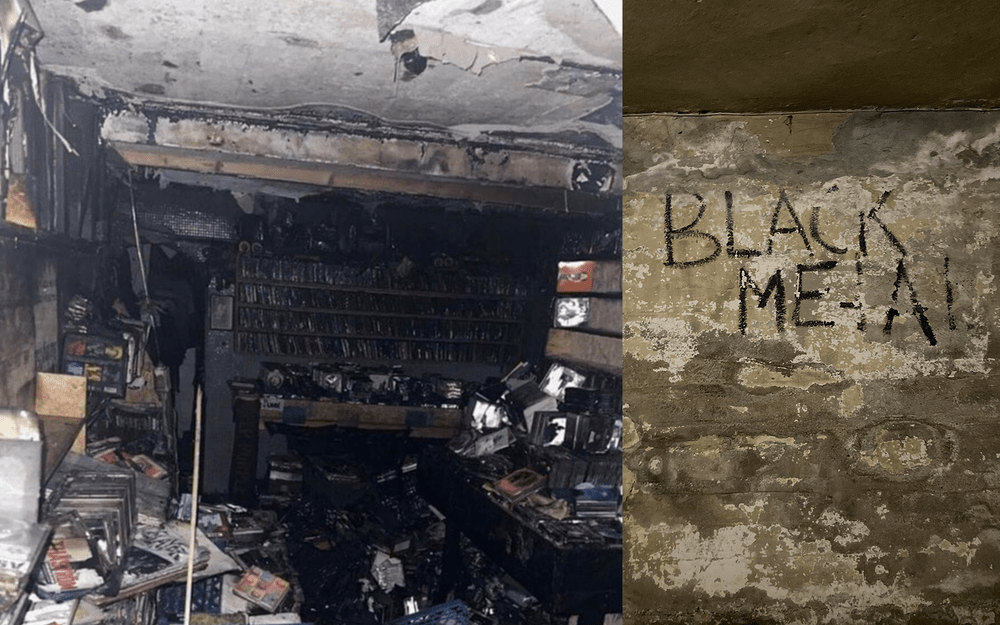 The legendary Helvete record store in Oslo, Norway.
Cultural Conflict and Anti-Christian Sentiment
A large part of Norwegian black metal was driven by rebellion against Christianity. Historically, Norway underwent rapid Christianization, replacing centuries of Norse pagan traditions. For many early black metal musicians, Christianity represented an alien imposition on native culture. Lyrics, performances, and actions such as church burnings symbolized resistance, and were viewed by some as reclaiming pre-Christian cultural identity.
Geographic and Environmental Influences
The Northern Climate and Its Psychological Impact
Scandinavia’s long, harsh winters and months of darkness have profound psychological effects. Isolation, introspection, and existential reflection are natural byproducts of extended periods without sunlight. Many black metal albums from the region, such as Burzum’s Filosofem, capture this cold, desolate atmosphere. The environment itself seems to shape the music, creating compositions that mirror the frozen landscapes and stark solitude of northern life.
Nature as a Cultural Foundation
Nature has always been central to Scandinavian identity. Folklore, poetry, and mythology often focus on forests, mountains, and extreme weather. Black metal artists tap into this imagery, using vast frozen landscapes, wild forests, and ancient natural elements as metaphors for freedom, purity, or existential contemplation. The land itself becomes a co-author in the creation of these dark, haunting sounds.
Sociological Factors
Emotional Outlets in Homogeneous Societies
Scandinavian countries are known for economic stability, high social trust, and egalitarian values. Yet these systems often prize emotional restraint and modesty. Extreme metal offers an outlet for repressed emotions, especially among youth who feel constrained or alienated by socially conservative norms. Concerts and subcultural participation provide spaces for release, identity formation, and emotional catharsis.
Reaction to Modernity
The rise of black metal coincided with rapid modernization, increasing secularism, and rising environmental anxieties. Many bands turned to Viking themes, ancient mythologies, and pre-industrial imagery as symbolic resistance against cultural homogenization and the perceived loss of identity.
Subculture and Community
Scandinavian metal communities were built on dense interpersonal networks, localized scenes, and shared philosophies. These tight-knit groups amplified ideological intensity and allowed black and death metal to develop characteristics unique from American or British scenes.
Notable Case Studies
- Mayhem and Dead: Per “Dead” Ohlin, Mayhem’s Swedish vocalist, embodied the nihilistic aesthetic of black metal. His obsession with death and alienation culminated in his suicide in 1991, an event that shocked and defined the scene.
- Burzum and Church Burnings: Varg Vikernes, founder of Burzum, engaged in several church arson incidents in the early 1990s as a symbolic anti-Christian act. These events became defining moments of Norwegian black metal.
- Sweden’s Melodic Death Metal: Bands like At the Gates, In Flames, and Dark Tranquillity fused aggression with harmony, creating the iconic “Gothenburg sound” that influenced metal worldwide.
- Finland’s Metal Boom: Finland boasts the highest number of metal bands per capita globally, supported by strong music education and cultural acceptance of darker emotional themes.
Finland’s Distinct Metal Identity
Finnish metal ranges from symphonic and folk metal to extreme underground genres, contributing to a rich national scene. The widespread acceptance of darker emotional expression and institutional support helped nurture a uniquely Finnish style that continues to influence global metal.
The dominance of black and death metal in Scandinavia is not accidental. It is the result of a complex interplay of history, environment, psychology, religion, and community. These genres offered outlets for cultural frustration, existential reflection, and identity formation. They reflect a dialogue between ancient traditions and modern anxieties. Today, the Scandinavian metal scene continues to shape global metal culture, producing new subgenres while remaining deeply tied to its historical and cultural roots.
Extreme metal in Scandinavia is more than music, it is a living cultural artifact, forged by centuries of history and the stark beauty of the northern landscape.
Reactions